

Drum Brakes vs. Disc Brakes for Trucks
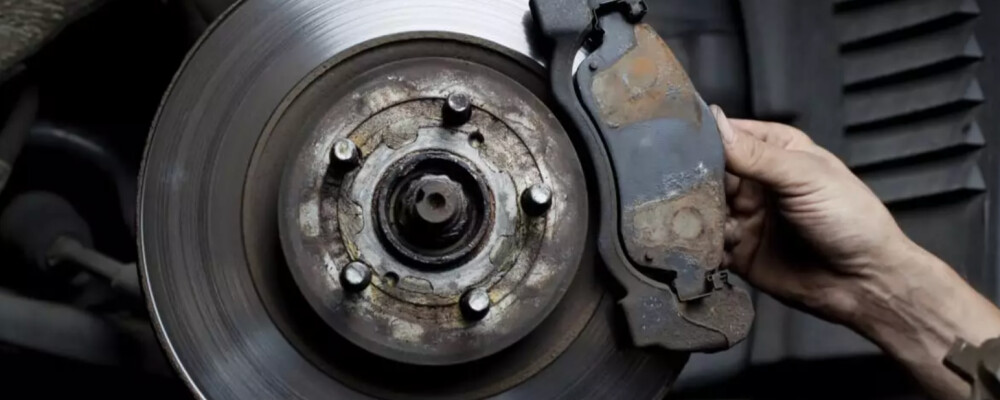
When it comes to heavy-duty trucks, the braking system is one of the most critical components for performance and safety. Among the most common types used in commercial trucking are drum brakes and disc brakes. While both systems aim to slow down or stop your vehicle, they work differently and offer unique advantages depending on your application.
Choosing the right brake system for your fleet is important. Let’s break down the differences between drum brakes vs. disc brakes.
How Drum Brakes Work
Drum brakes use a set of shoes that press outward against the inside of a spinning drum to create friction and slow the vehicle. These systems have been used in heavy trucks for decades and remain popular for specific commercial uses. Key benefits of drum brakes include:
- Lower initial cost compared to disc brakes
- Enclosed design protects internal parts from debris
- Longer lifespan in low-speed or stop-and-go applications
- Suitable for rear axles and vocational trucks
However, drum brakes tend to overheat more easily and may require more frequent adjustment for consistent performance, especially under heavy loads.
How Disc Brakes Work
Disc brakes operate using a caliper that squeezes a pair of brake pads against a flat rotor to produce stopping power. This system provides better heat dissipation and quicker response in high-demand conditions around Ft. Lauderdale. Benefits of disc brakes include:
- More efficient cooling for reduced brake fade
- Shorter stopping distances and consistent performance
- Easier and faster to inspect and service
- Less prone to pulling or uneven wear
Disc brakes are becoming more popular in modern commercial trucks, especially for applications involving high-speed travel or frequent braking, such as regional haul or delivery routes in Riviera Beach.
Choosing Between Drum and Disc Brakes
When comparing drum brakes vs. disc brakes, consider how your trucks are used:
- Use drum brakes for vocational, low-speed, or off-road applications.
- Use disc brakes for long-haul, high-speed, or urban delivery trucks.
- Evaluate the total cost of ownership, not just the initial price.
- Consider driver comfort and braking confidence.
Schedule a Brake Inspection at Rechtien International Trucks
Whether your fleet uses drum brakes, disc brakes, or a combination of both, Rechtien International Trucks offers expert service, parts, and maintenance. Are you still unsure which system is right for your truck? Contact our team for a personalized recommendation based on your fleet’s needs and Ft. Pierce driving conditions.
More from Rechtien International Trucks
The “As-Is” Advantage: Customizing Pre-Auction Trucks for Your Specific Trade
Finding the right commercial vehicle for your business operations in South Florida requires balancing upfront costs with long-term reliability. Whether managing a delivery fleet or working as an independent trade contractor, purchasing a pre-auction, “as-is” commercial vehicle presents a strategic alternative to traditional retail buying. By acquiring a truck in its current condition before it…
Lowering Your Cost-Per-Load: Fuel Efficiency Gains with the S13 Integrated Powertrain
In heavy-transport sectors like gravel and asphalt hauling, profit margins often come down to a single critical metric: cost-per-load. Moving heavy aggregates requires massive power, which historically meant consuming high volumes of fuel. Balancing required torque with fuel economy is one of the most effective ways to support data-driven ROI for vocational fleets. The International®…
90% Consistency: Why the S13 Makes the 2027 Transition Seamless for Technicians
For municipal fleet managers and public works directors across South Florida, the upcoming 2027 EPA emissions standards introduce significant considerations around equipment adaptation, technician training, and parts availability. When regulatory shifts require updated vehicle technology, maintenance teams often face steep learning curves that can disrupt daily operations. At Rechtien International Trucks, we help municipal fleets navigate these…


0 comment(s) so far on Drum Brakes vs. Disc Brakes for Trucks